
Three Said No
In every generation, Pharaoh finds new language for the same refusal

On March 25, 2026, the United Nations General Assembly voted to declare the transatlantic slave trade the gravest crime against humanity.
123 countries said yes.
52 abstained.
Three voted no: the United States, Israel, and Argentina.
Tonight, Jews around the world gather for the second seder. And just like the first night we will open the Haggadah and say: in every generation, each person is obligated to see themselves as if they personally left Egypt. In every generation, we are commanded to remember what it means to be enslaved, what it means to escape bondage and to act on that memory.
The UN resolution was nonbinding. It required no payments, no enforcement. It simply asked nations to engage in dialogue about reparatory justice. It was the minimum. A declaration. Words.
The United States opposed it, arguing there is no legal obligation to repair harms that were not illegal at the time.
Slavery was legal. Therefore, no obligation exists now.
This is the official position of the United States in 2026 — a country that built its entire economic foundation on enslaved labor. Cotton. Sugar, Rice, and tobacco. The railroads, banks and universities.
The argument is simple: we owe nothing because it was legal when we did it.
In every generation, Pharaoh finds new language for the same refusal.
Israel voted no as well, arguing the resolution diminished the Holocaust.
But naming one atrocity does not diminish another. The modern State of Israel exists, in part, because reparations were paid after the Holocaust. Modern western states have already shown us that repair is possible.
Naming Black suffering does not diminish Jewish suffering. Memory is not a competition. If anything, our tradition commands us to be the first to say it.
Europe abstained. But make no mistake — they are implicated. When Britain abolished the slave trade in 1807, it compensated the slaveholders, not the enslaved. That debt was not fully paid off until 2015. British taxpayers were still paying it within the last decade. The United States did the same. In 1862, Abraham Lincoln signed the District of Columbia Compensated Emancipation Act. The federal government compensated the owners of enslaved people for their "loss of property." The people who were freed were not compensated, nor given any assistance. Germany — the country that modeled what reparations look like, that paid them, for decades also abstained on this vote.
Legal language has long been used to avoid moral accountability. Abstaining is not neutrality. It is a choice.
In every generation, someone finds a reason why justice must wait.
Before ships would arrive on the continent, there were the forts along the West African coast, European powers built stone castles to hold human beings as cargo. People were marched there in chains. Stripped. Inspected. Branded with hot irons. Sorted like livestock. Held in dark dungeons for months with no light, no air, no sanitation.
Many died before ever making it to the ocean.
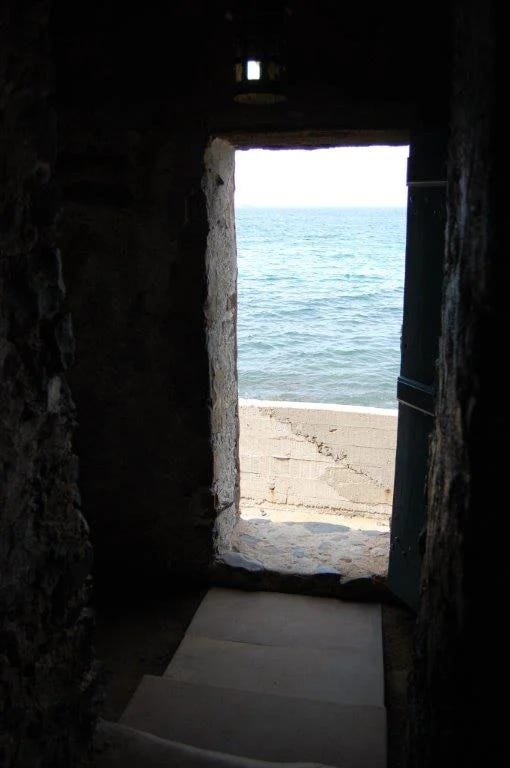
Those who survived walked through what was called the Door of No Return — directly onto the ships.
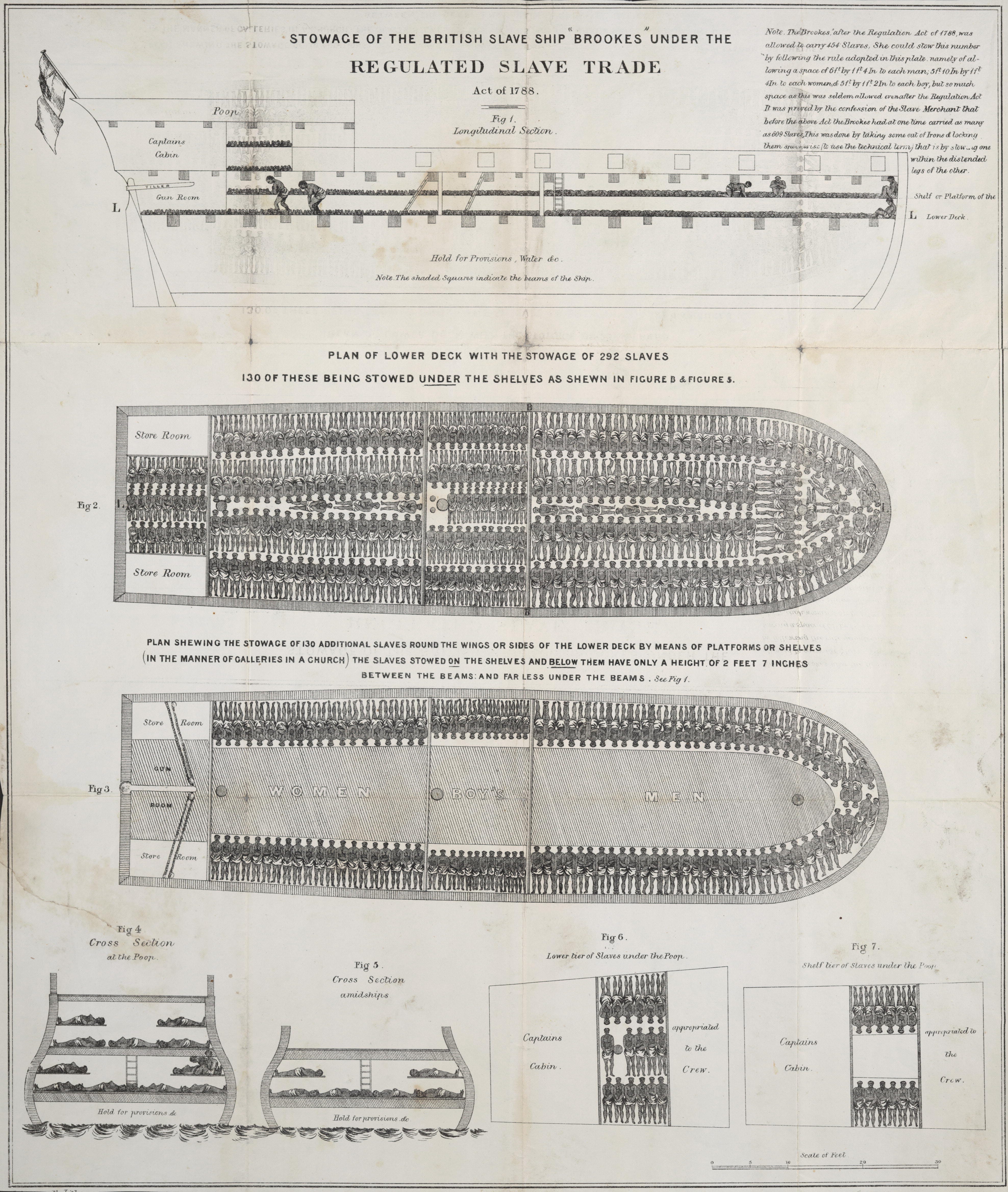
On the ships men were chained together in spaces so tight they could not sit upright or turn over. They lay that way for six to eight weeks, in their own waste, and in the waste of the men beside them. Disease moved fast. When a man died, it sometimes took time to unchain him. Men often lay chained to the dead.
Women were held separately, without chains. This was not mercy. It was access. White crew members raped enslaved women throughout the crossing. Regularly. Without consequence.
Some people threw themselves into the ocean while they still could. Others were thrown in alive. Throwing live bodies overboard was commerce. Insurers paid for cargo lost overboard, but not for cargo that died of illness. More than two million people died on the crossing alone.
Those who survived the Middle Passage were processed again. Stripped again. Their teeth examined, their bodies handled and priced. Women evaluated for how many children they could be forced to bear, children who would be born into slavery.
And then they were put to work.
The nations that voted no and the nations that abstained are not bystanders to this history. They are its beneficiaries. And we are preparing to gather for a seder about liberation days after those same nations said: we owe no reckoning.
The Torah commands us not to oppress the stranger , 36 times, more than any other commandment. The reason is always the same: because you know what it feels like. You were there. You were them.
If that memory means anything, it has to make us more sensitive to the suffering of others. Not less.
This resolution was words and words matter. Naming matters. The refusal to name is also a choice.
123 countries looked at this history and said: call it what it is.
Three said no.
In every generation, we are asked which side we are on.
History does not disappear when ignored.
Justice does not expire.
Neither does the obligation to pursue it.
Amen. The phrase "we are none of us free until all of us are free" featured in our house seder discussion last night. To your point, we cannot call ourselves free until we acknowledge our debts to the history that brought us here. That acknowledgement may be painful, and actual reparations may be difficult, but we cannot be free until we escape the narrow place we are in. Refusing to acknowledge it forecloses any possibility of escape from it.
Thank you, Rabbi, for the seasonal teaching. The no votes are so shameful.